
Kamalini
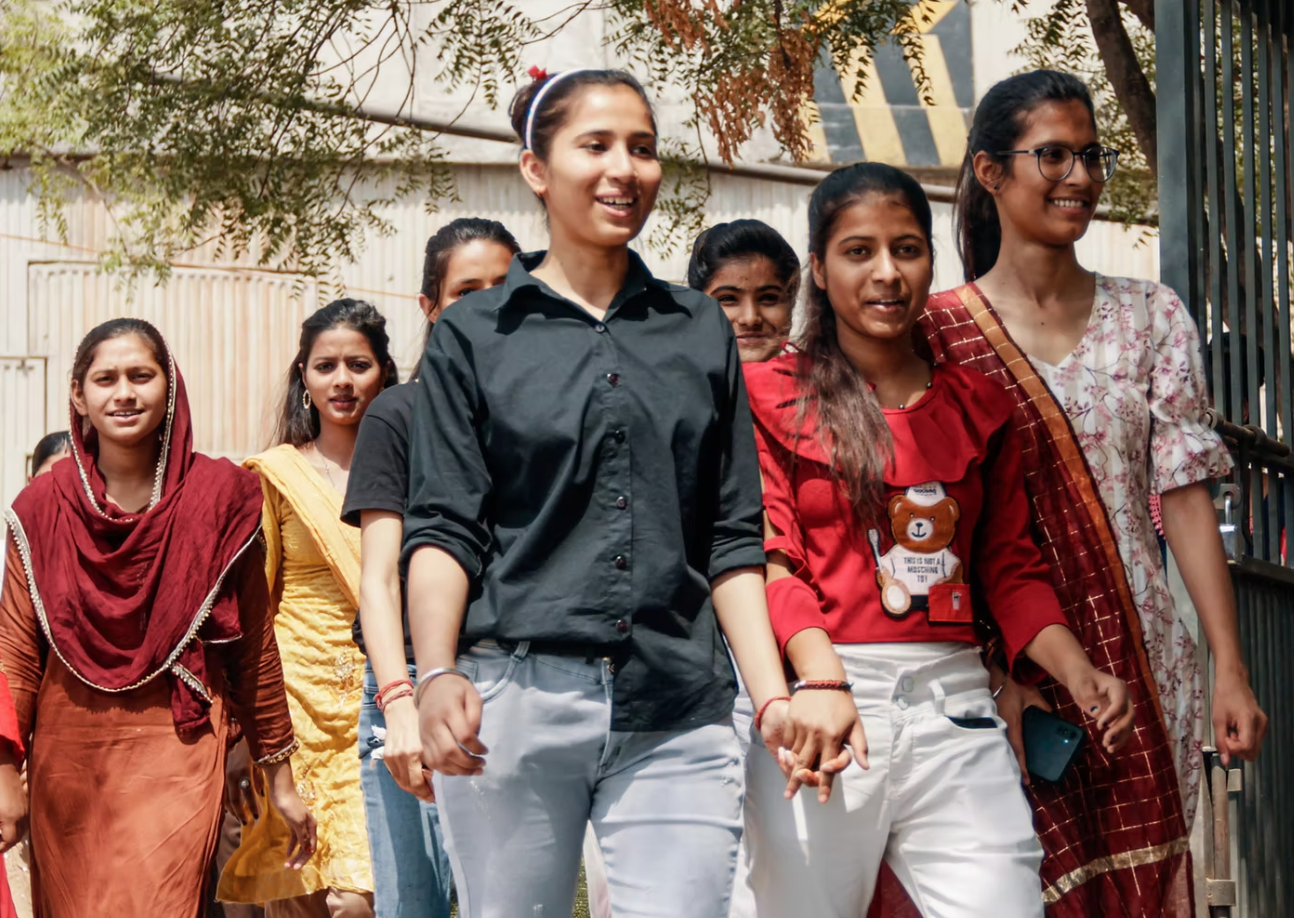
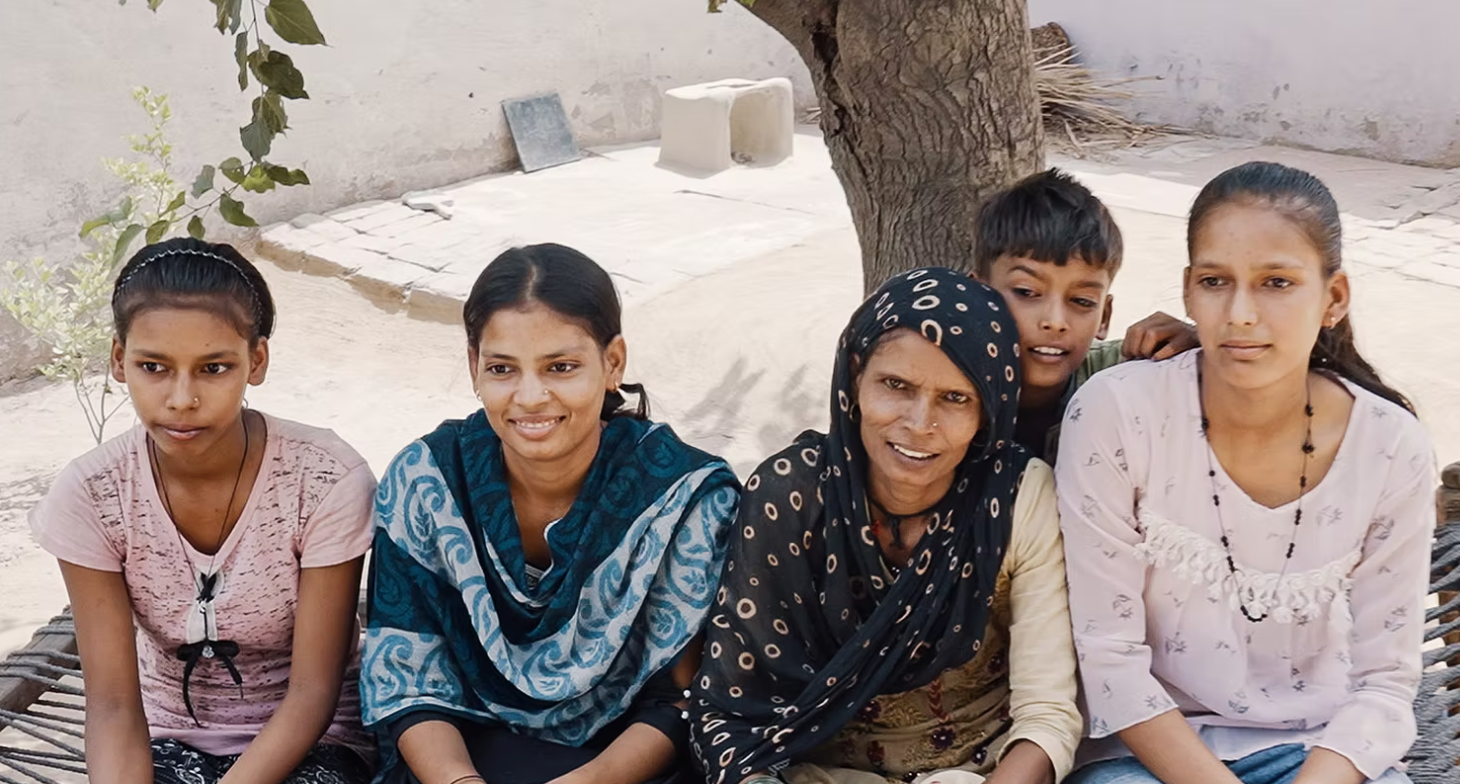
In the rural villages surrounding New Delhi, thousands of young girls and women are denied opportunity simply because they are born into families bound by restrictive social norms. Deep-rooted traditions that limit their choices in education, employment, and major life decisions are compounded by economic hardship, inadequate infrastructure, unsafe environments, and limited access to quality health and education services. Together, these barriers systematically shut girls and women out of pathways to independence and dignity.
Despite India’s vast workforce and rapid economic growth, women remain significantly underrepresented in paid employment and are far less likely than men to access stable, well-paying jobs. Women’s labor force participation continues to lag well below global averages, and even when women are economically active, they are often concentrated in low-paid, insecure roles. Today, only about 33 percent of women aged 15 and above participate in the workforce.
The reasons are deeply structural. Women face unequal access to education, restrictions on mobility, the heavy burden of unpaid domestic work, and persistent safety concerns—all of which severely limit their ability to participate in the economy.
For many women in Sohna, these barriers play out in everyday life:
Education often ends early because families cannot afford school fees or books.
Even when schooling is available, safe transportation to government schools or access to girls’ secondary schools is frequently missing.
These are not just statistics—they are real lives, each with hopes, dreams, and untapped potential. With the right support, these women can thrive. That is why skills training and empowerment programs like Kamalini’s are not merely beneficial; they are essential.
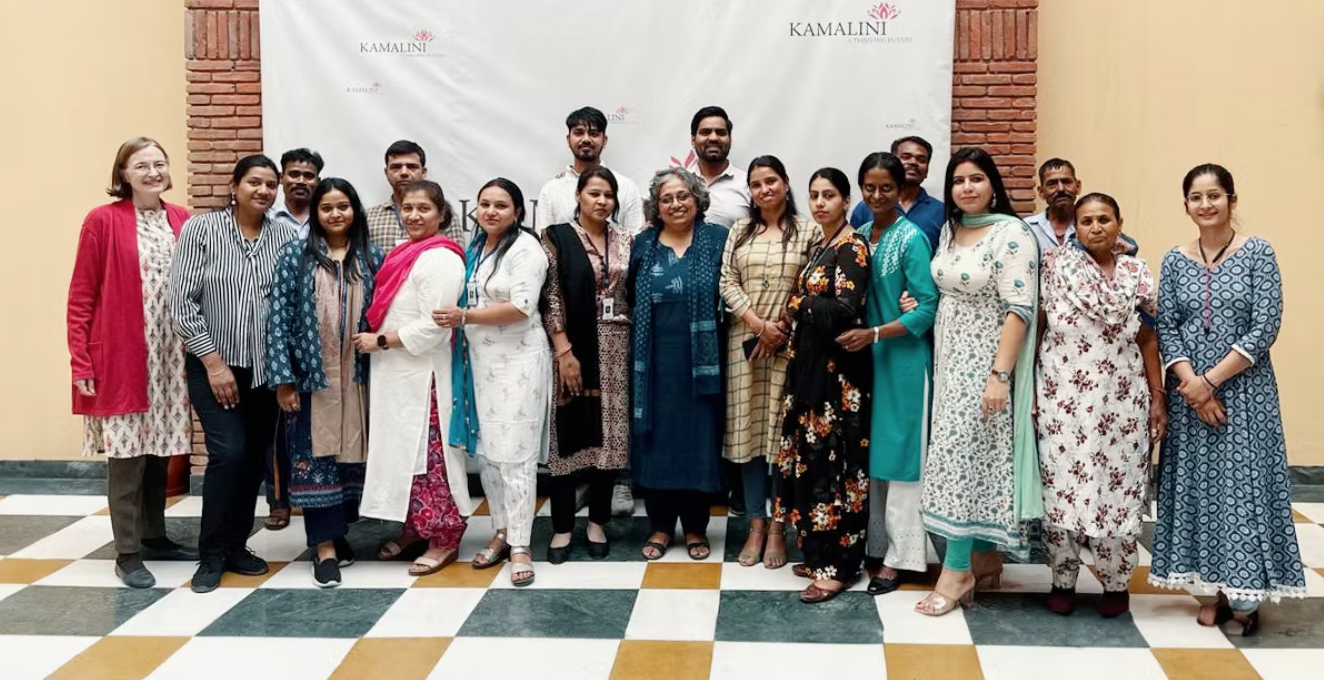
At Kamalini we create lasting change. At the Kamalini Vocational Training Centre, we provide life-changing education and skills training that help women break the cycle of poverty and become empowered leaders within their families and communities.
Through our Holistic Training Programs, we equip women with practical, in-demand skills and confidence through courses including:
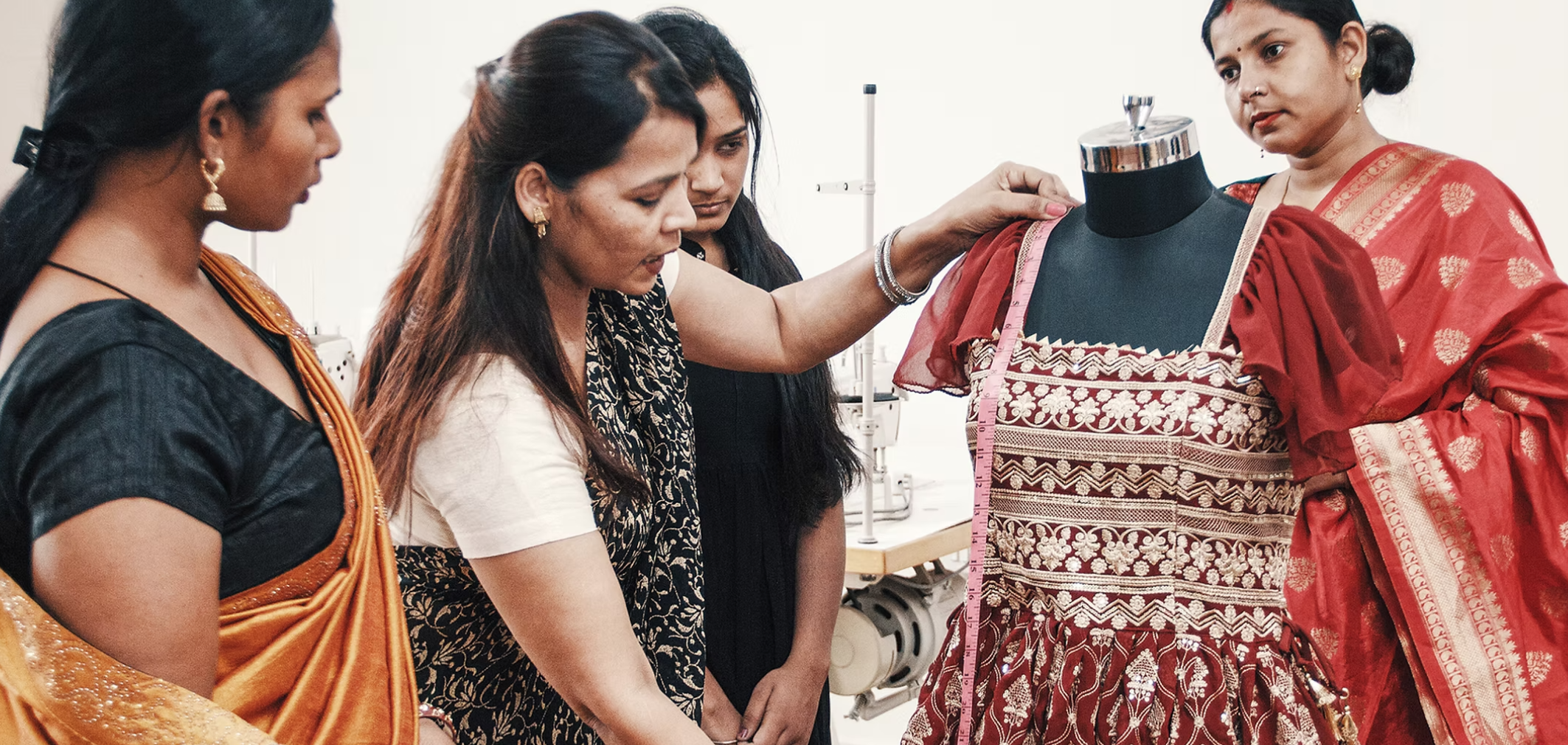
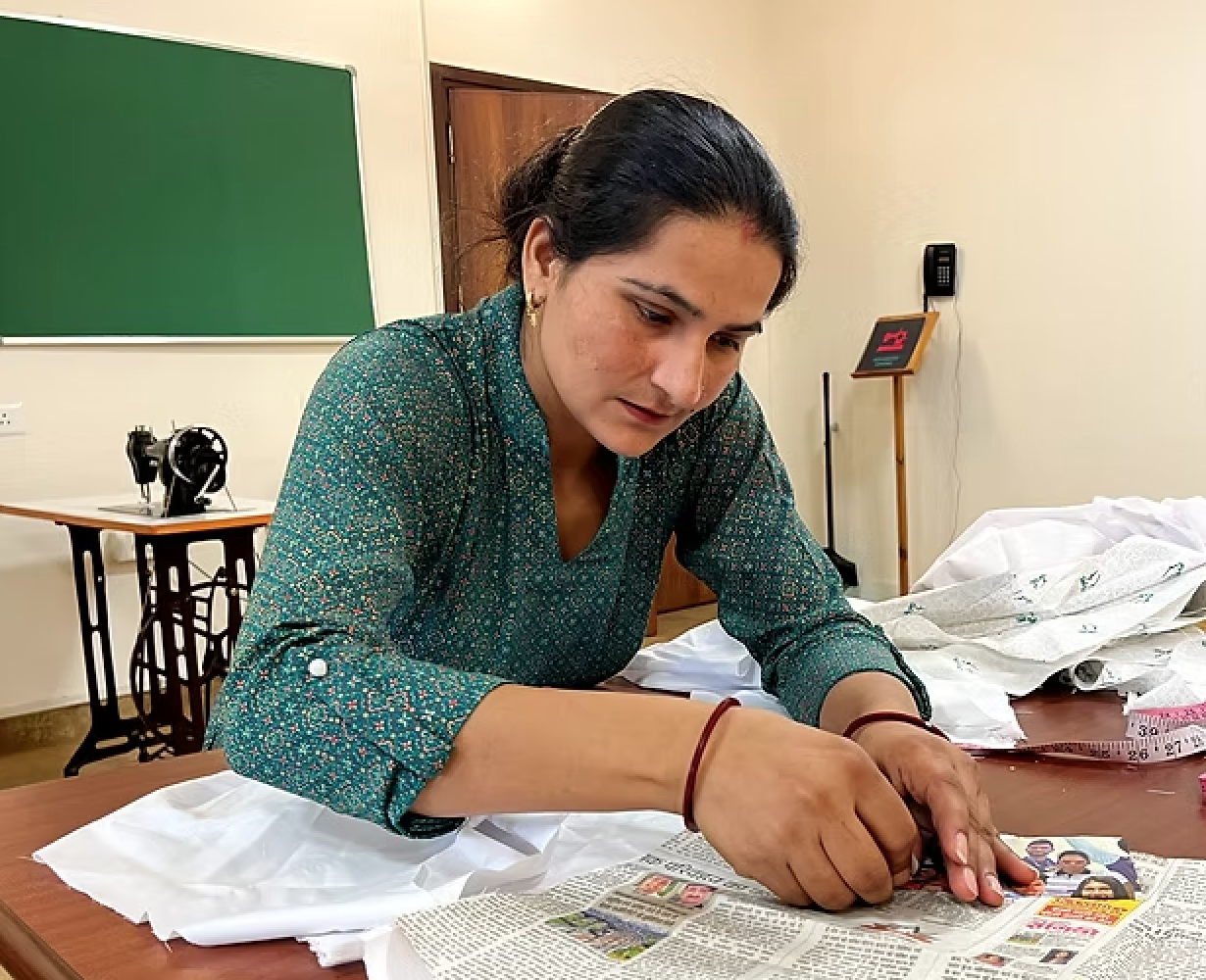
Garment Construction and Design: giving women creative, salable skills they can use anywhere, at home or as an entrepreneur.
Beauty Makeup and Hair: empowering women to start their own salon work or freelance services.
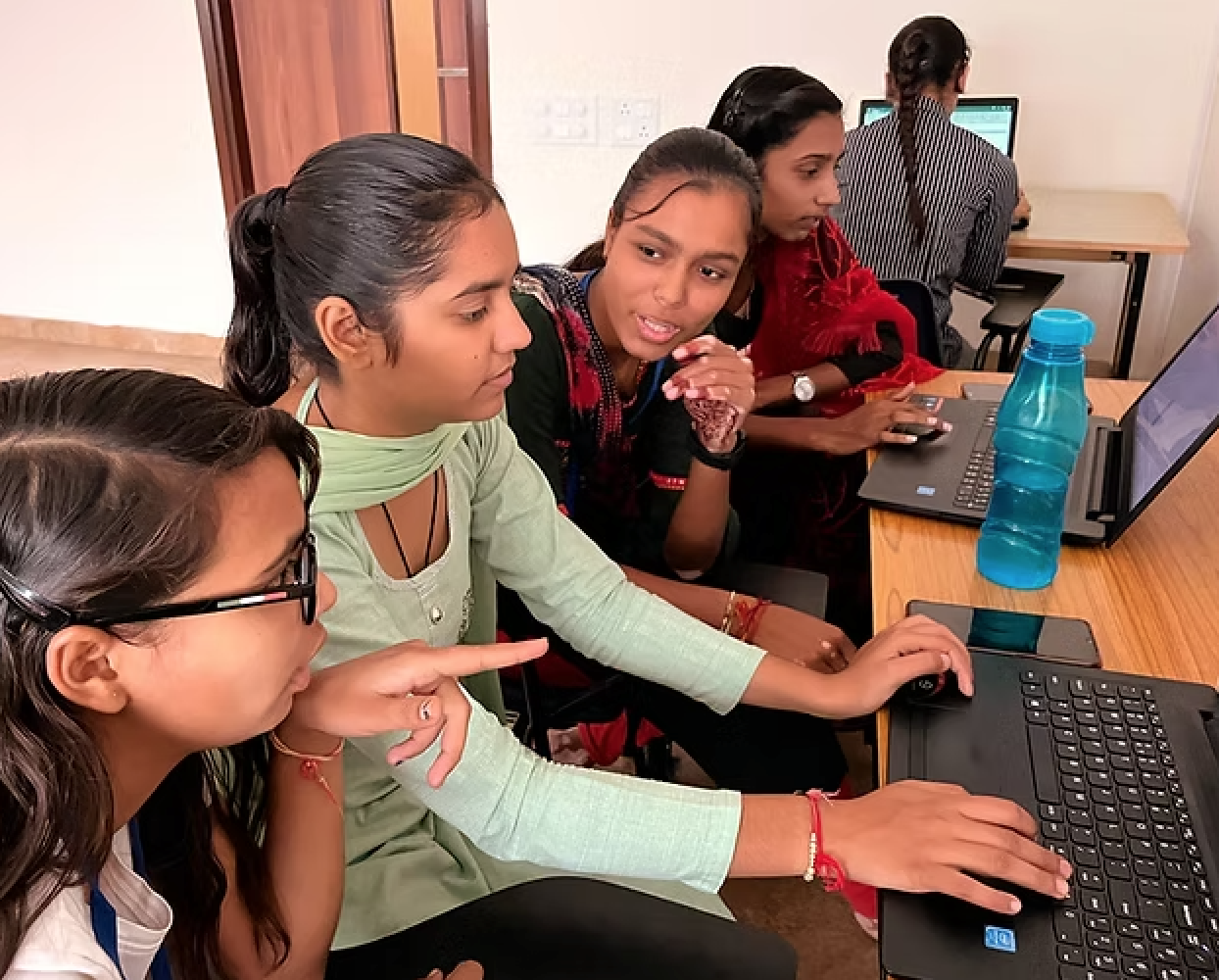
Basic and Advanced IT skills: helping women become job-ready in the digital age.
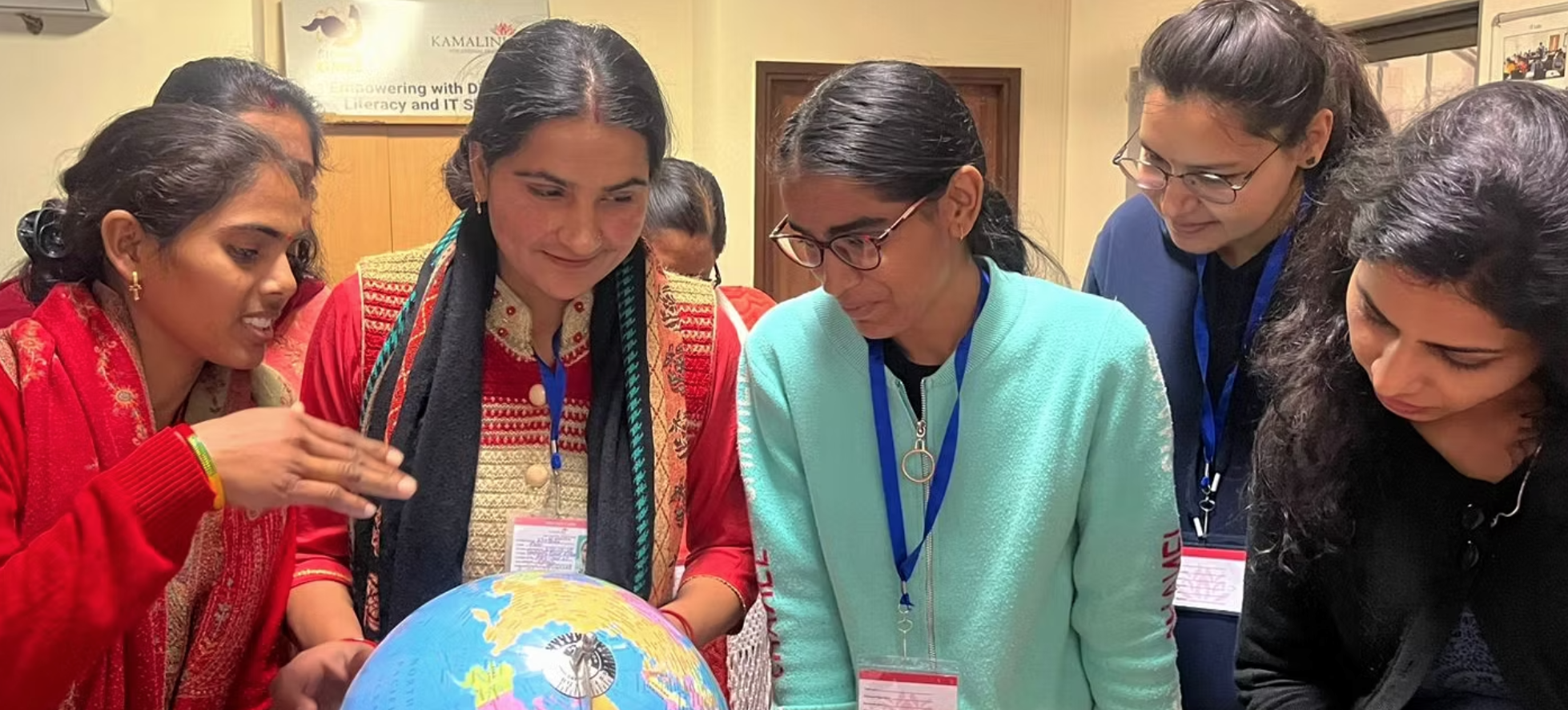
English Communication classes: boosting confidence and opening doors to better work.
Campus outreach program: awareness and support back to their home communities.
Study Centre: library and internet access so they can continue formal education.
Business entrepreneurship training program: a new program that we will be launching soon to support women in building and managing their own enterprises.
We believe that every woman deserves dignity and opportunity. With your support young woman can study, gain a trade and find decent work or become an entrepreneur. This enables them to earn higher incomes, and feed their families with pride and self-respect. This has a real social and economic impact that can change the world.
Testimonies
From Survival to Self-Reliance: A Mother’s Journey
Sunita, 27, comes from Tawru village in Mewat, Haryana. Like many women in rural India, her life has been shaped by financial uncertainty, but also by resilience and courage to create a better future for her son.
Her husband previously worked as an accountant for a construction company, but he lost his job during the pandemic. He later tried to support the family by selling vegetables from a cart, yet the income was unstable and insufficient to sustain them.
Looking for a way to contribute meaningfully to her family’s livelihood, Sunita learned about the Kamalini Vocational Training Center through a friend. Determined to take action, she enrolled in the beauty, makeup, and hair training program. To attend the course, Sunita made personal sacrifices, leaving her young son in the care of her mother while she travelled daily for training.
Finances remained a major challenge. Sunita struggled to afford the beauty products required for the course. Recognizing her commitment and difficult circumstances, Kamalini arranged sponsorship support so she could access the materials needed to complete her training.
Sunita speaks with pride about her experience at Kamalini. Unlike other short-term courses she had seen, where training is often superficial, she found Kamalini’s program to be comprehensive and professional, combining strong theoretical foundations with extensive hands-on practice.
After completing her training, Sunita achieved a major milestone: she secured a position as an instructor at a reputed skills training academy. Today, she earns a steady income and contributes confidently to her household. For Sunita, this is more than just a job, it is a powerful step toward her long-term dream of opening her own training academy one day.
Sunita’s story is a testament to how access to skills training, opportunity, and support can transform lives not just for one woman, but for her entire family.
Empower one Woman, Empower a Family
Rajni was just 19 years old when she walked miles each day to attend training at the Kamalini Vocational Training Centre. She came from Tawru village in Haryana, where opportunities were scarce and every day was a struggle. Her father worked as a gardener in a nearby gated community, and her mother supplemented the family income through daily farm labour. As the eldest of three sisters and two brothers, Rajni felt the weight of responsibility early in life.
Kamalini opened doors she never knew existed. Despite not having transport and often not having the funds for course fees or materials, Rajni's determination never wavered. She showed up every day with a smile and a strong will to learn. Whenever she lacked what she needed, Kamalini stepped in with support and encouragement, helping her complete both levels of the sewing and garment construction course.
Completing her training was a turning point. Rajni was offered work through another NGO, producing garments for sale, and this gave her the confidence to begin stitching for clients near her home. For the first time, she was earning her own income, contributing to her family, improving their home and standing with pride and purpose.
Her success didn’t stop with her. Rajni encouraged her sister Monica to join Kamalini too, this time for a computer course, helping her with reduced fees so she could pursue her own path. Life, however, brought more challenges: Rajni’s mother was seriously injured and bedridden for months, and Rajni herself battled a severe infection that took time to diagnose and treat. Throughout these hardships, Kamalini walked beside her, helping her access medical care and stand strong through it all.
Both, Rajni and her sister Monica, were engaged, but their families struggled with finances and health challenges that delayed these celebrations. This year, both sisters finally married, a milestone that came as a testament to their resilience and journey forward.
Today, Monica completed her computer course and enrolled for graduation through distance education, aspiring to qualify for the police force, while the youngest sister, Karishma, has now joined Kamalini to pursue training in beauty skills, continuing the cycle of empowerment in the family.
Rajni’s journey is more than a story of vocational training; it’s a story of transformation, courage, and opportunities seized proving how the right support and skills can redefine a life.
For more information, visit www.kamalini.org.
To donate by check:
Make check out to American Initiatives for Social Development with the memo line “Kamalini” and send to:
American Initiatives for Social Development
PO Box 1670
New York, NY 10156-1670